
Whole Home — San Fernando Valley
Whole-home remodels
in the Valley
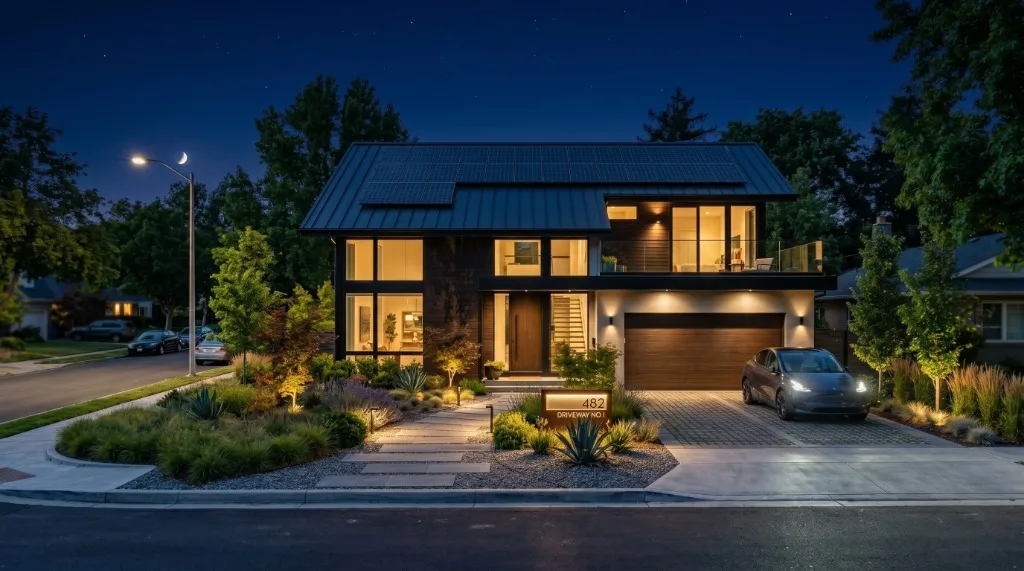
Ranches and mid-century tracts opened up for daylight, airflow, and a quieter material palette.
Whole Home — San Fernando Valley
Ranches and mid-century tracts opened up for daylight, airflow, and a quieter material palette.
The Valley's post-war ranches were built for a different life. Opened up correctly, they become some of the most generous houses in Southern California.
Studio City, Sherman Oaks, Encino, Tarzana, Toluca Lake — the Valley's mid-century tracts share a structural logic that rewards careful surgery. Long single-story footprints, walk-in attics, and deep lots let us remove walls, raise ceilings, and bring in side-yard daylight without adding square footage.
Back to Whole HomeThe Valley shares a structural logic with neighboring LA neighborhoods, but the lots are deeper and the framing simpler. Five moves come up on almost every project.
Most Valley ranches were framed with one continuous interior bearing line. Reframing it with a flush beam unlocks the kitchen, dining, and living rooms into a single composed space.
Original 8-foot lids hide generous attic volume. Opening to the rafters — with new collar ties and insulation — adds height, light, and air without changing the footprint.
Long single-story floor plans cross-ventilate beautifully once the windows are right. We re-cut openings on opposing walls and specify operable glazing on both sides.
Folding or sliding doors at the rear pull the yard into the kitchen — the room you use most, looking out at the room you use second-most.
Valley lots have generous side yards. A clerestory or light well brings northern daylight deep into the plan without sacrificing privacy.
Kitchens opened to the yard typically anchor the kitchen & bath scope, and the side-yard daylight slot often pairs with a detached ADU on the same lot. Each move has budget and schedule implications we map before drawings start.
Long footprints, low ceilings, and original stucco envelopes. Most projects gain the most from removing interior bearing walls, raising ceiling planes, and re-glazing for cross-ventilation.
Valley summers ask for serious envelope work — radiant barriers, attic insulation, well-shaded glazing, and right-sized variable-speed equipment. We design the envelope first, then the system.
Often yes, subject to height limits and neighborhood character. We pencil the structural and zoning feasibility before committing to a direction.
Valley lots usually have room for all three. We coordinate hardscape, ADU foundations, and pool work into the master schedule.
Same LADBS process, generally faster plan check, and fewer hillside complications. Equestrian and view overlays in some areas — we check the parcel before quoting.
What drives the budget in Los Angeles — and how we keep it transparent line-by-line.
Design, permitting, and construction phases — how long each takes, and why.
Move out, phase the work, or live in part of the house — making the call honestly.
Hillside lots, hard-coat stucco, Title 24 — what the city's housing stock asks of a remodel.
Coastal envelopes, salt air, and the planning culture of OC's older neighborhoods.
Many projects pull from more than one capability. Here's the rest of what the studio handles in-house.
The two rooms you use most, designed around how the day actually moves through them.
Paint as a finish, not a coverup — proper prep, the right system, brushed and tipped-off by hand.
Detached units, attached additions, JADUs, and SB-9 lot splits — California's legal paths to more home.
Tile, metal, composition, slate, and low-slope — the full assembly, properly flashed, warrantied.
Air conditioning, furnaces, heat pumps, and ductwork — sized to the house, permitted, and commissioned in writing.
Dual-pane, Low-E, retrofit and full-frame — field-measured, flashed, permitted, and warrantied.
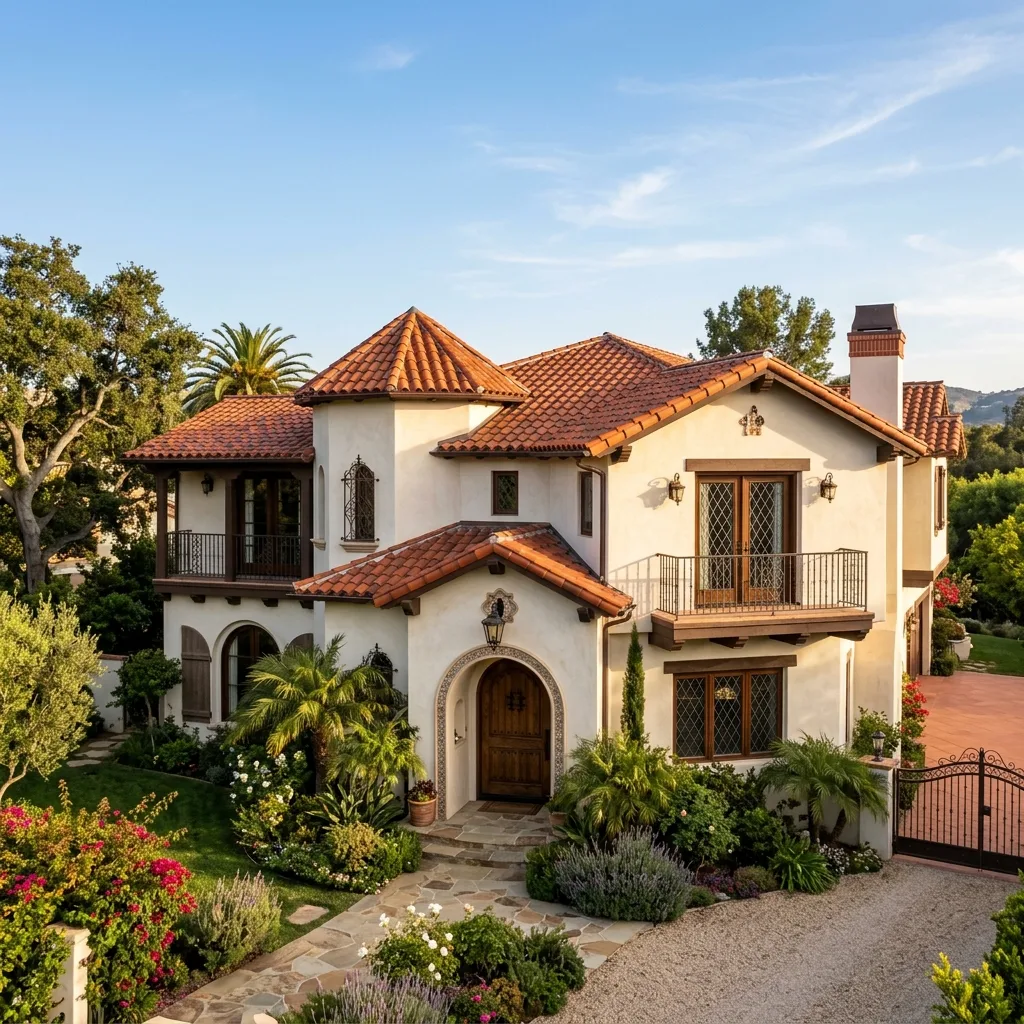
Six field indicators we look for before recommending a full tear-off instead of another repair.
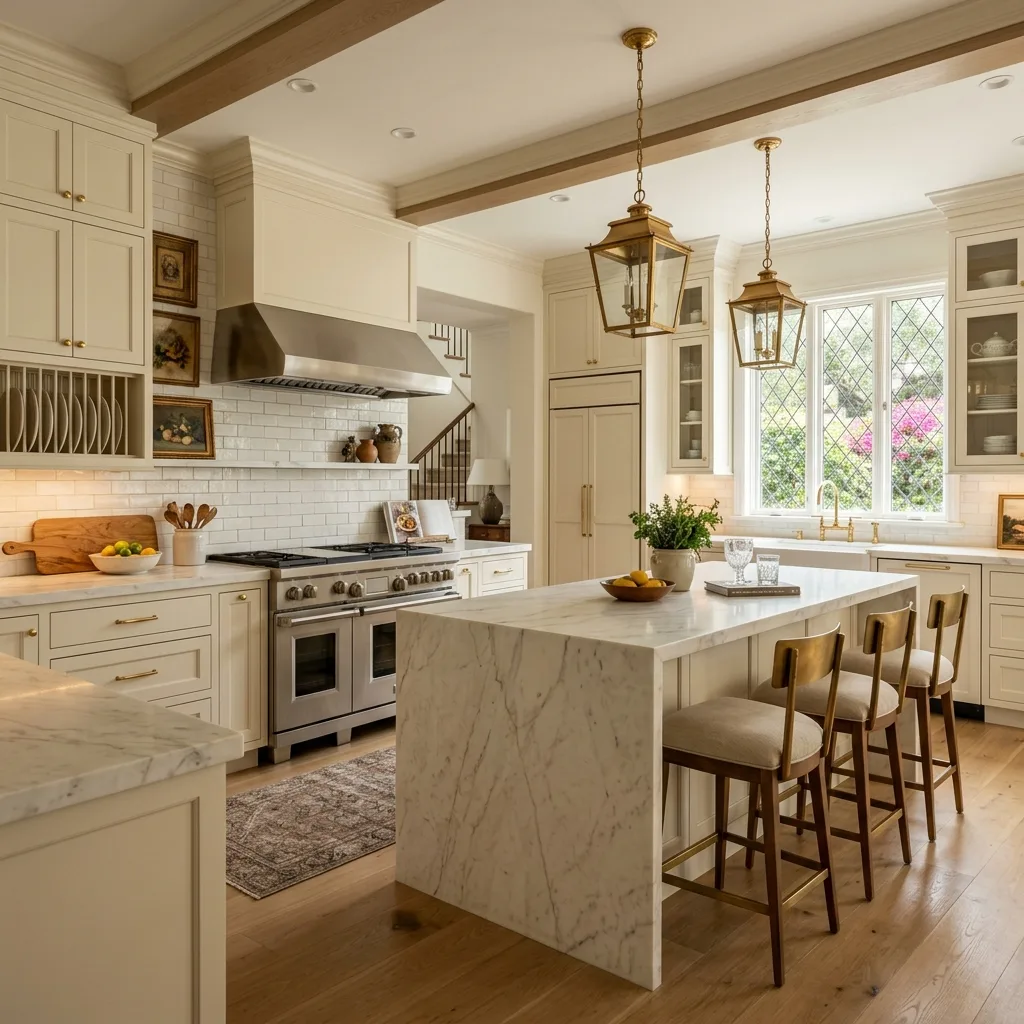
Most kitchen delays are decided before demolition. Here's the sequence that protects the calendar.
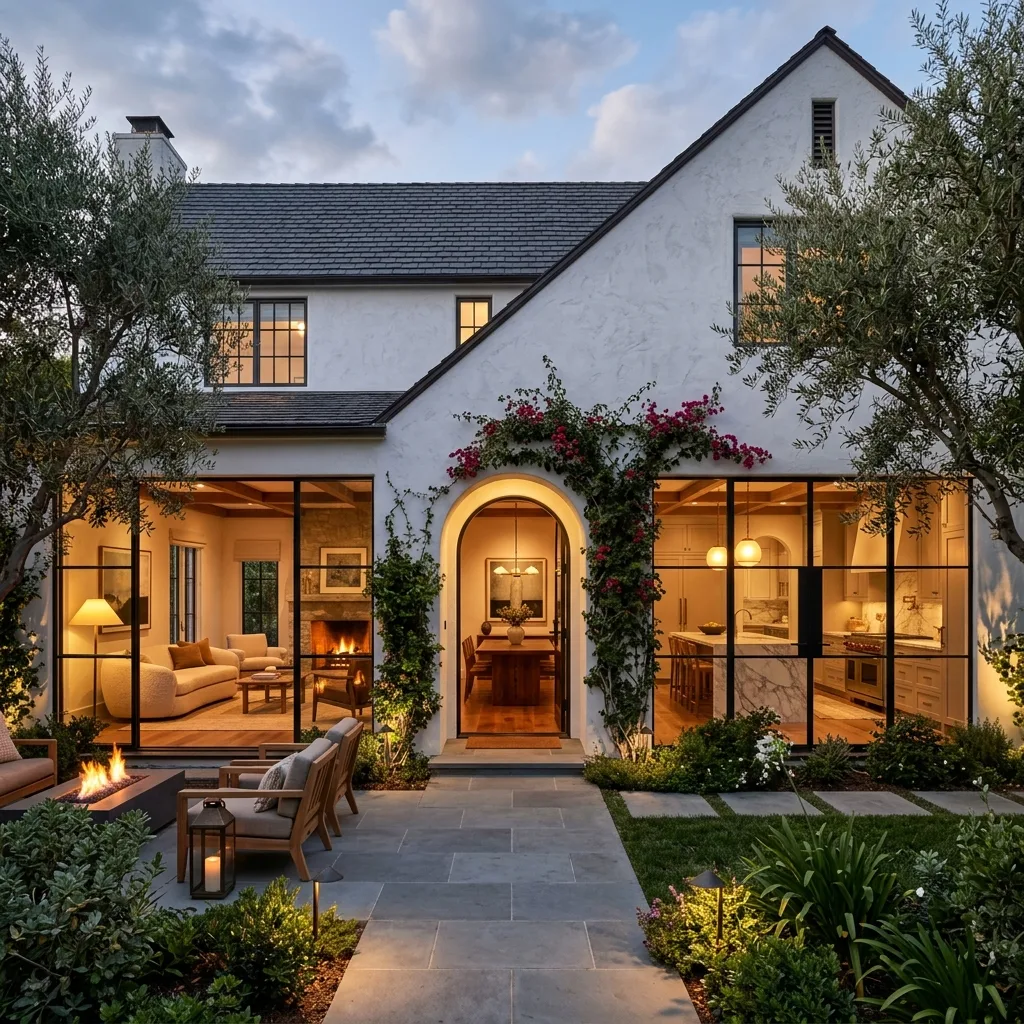
Why two paint jobs on the same house can last four years or twelve, and what separates them.